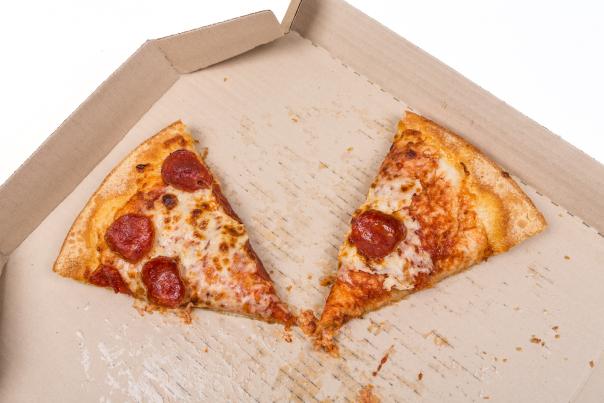
Grab-and-go refers to the quick, pre-packaged food that students can pick up and eat on the move — items like pizza slices, sausage rolls, paninis, pastries and sugary drinks.
Designed for speed and convenience, these foods now dominate school canteens, replacing proper sit-down meals as lunch breaks shrink and queues grow leaving many students with little time to access a proper meal.
But while grab-and-go may be quick, it is often nutritionally poor. Typically high in fat, salt and sugar, these foods are built around cheap ingredients and lack the balance needed to sustain energy and concentration.
This research brings together data from school menus, sector experts and over 2,000 students to uncover what’s really happening in school canteens across England. The report highlighted:
- Students eligible for free school meals (FSM) are disproportionately affected.
- More than half (56%) report buying grab-and-go food three to four times a week at lunchtime, compared to 36% of students not on free school meals.
- Around 60% of students purchase it at least once a week, often instead of a more nutritious main meal.
- Only one in three survey respondents (33%) felt grab-and-go leaves them with enough energy to concentrate in lessons.
The report also backs wider evidence showing low compliance with school food standards as only 6% of schools met rules banning confectionery and chocolate, just 17% complied with restrictions on cakes and biscuits outside lunchtime, only 11% met limits on deep-fried foods and only 14% met drinks standards.
Bite Back founder, chef and health campaigner, Jamie Oliver said: “What children eat at school shapes their health, how well they learn and their economic future—so when the food isn’t nutritious, it’s a massive missed opportunity. This report is a reminder we’re still not getting this right and profit is coming ahead of our kids' futures.
“This report, from the voice of children, shows, without doubt, we need those in power to step up, set the right standards and make sure they’re enforced. And it’s on all of us too — parents and the public — to back young people and demand better. Every child deserves proper, nourishing food and the chance to thrive.”
Bite Back is calling on the Government to introduce clear monitoring, updated and enforcement mechanisms for school food standards, ensuring that school food providers and suppliers comply with rules designed to protect children’s health.
The full report, with the policy recommendations, can be found here.