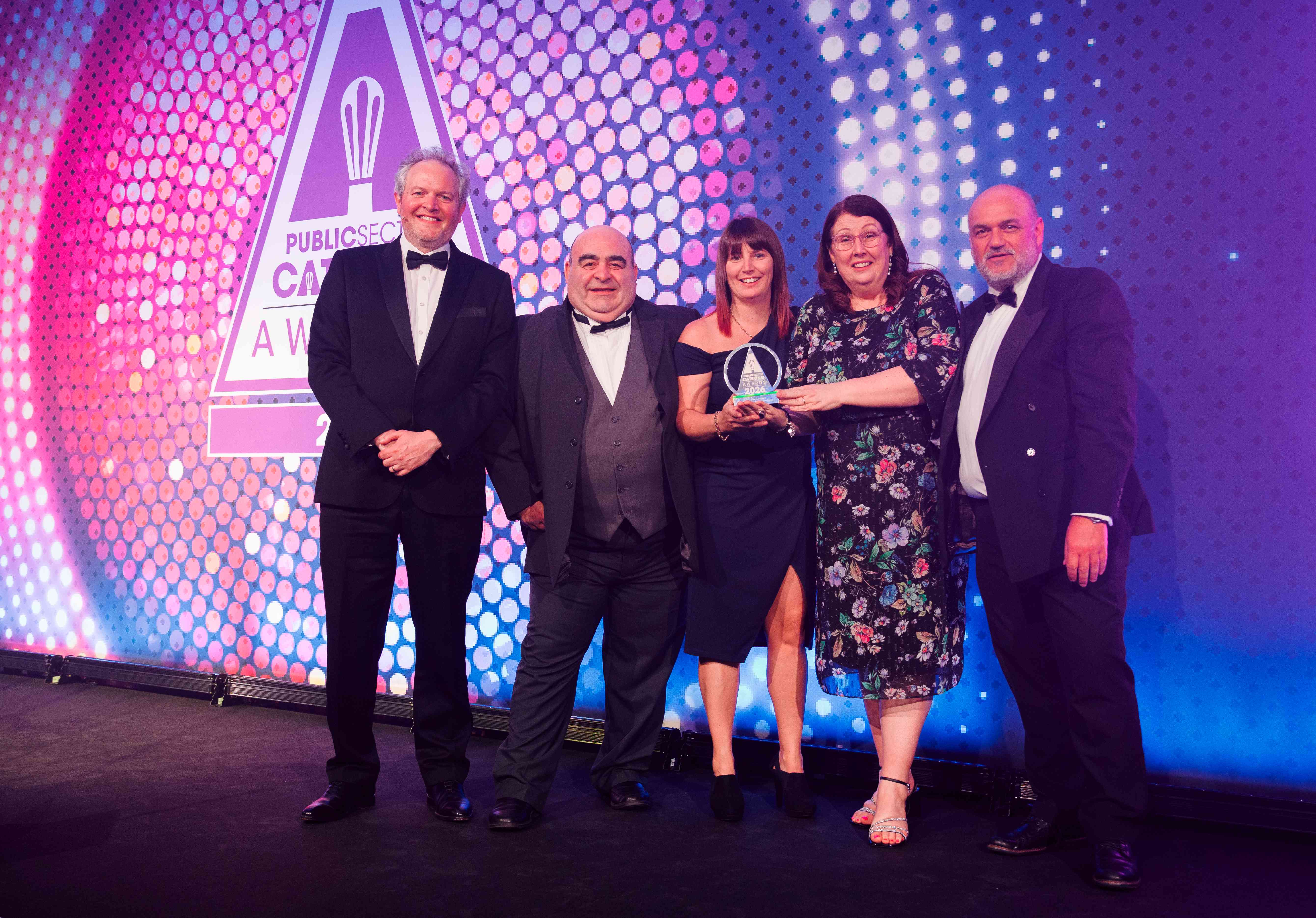
Through this new series, we will shine a spotlight on each Public Sector Catering Award winner in turn, taking a closer look at their achievements, the challenges they have overcome and the impact they continue to make within their organisations and communities.
Like many public sector services, they faced sharp inflationary rises and posted trading losses of more than £300,000 in previous years. The challenge was clear: how do you turn a significant deficit into a sustainable surplus while supporting 190 schools, retaining frontline staff, and increasing meal uptake and customer satisfaction?
A pivotal management meeting made the urgency unmistakable. With a £300,000 gap to close, the team needed a strategy that protected the workforce, supported families, improving the service despite rising food costs.
With true Yorkshire determination, the team rolled up their sleeves. Through focused planning, strengthened teamwork, commitment to quality, they set out not only to restore financial stability but to enhance the service they provide every day. A comprehensive project plan was rolled out across all staff and catered sites.
Managers travelled throughout the region to engage directly with frontline teams and complete detailed, kitchen-by-kitchen reviews of financial and food data. Regular monthly analysis highlighted factors such as high food costs, wastage, low meal numbers or high staffing spend, enabling rapid corrective action and driving measurable improvements in customer satisfaction.
Working closely with schools, pupils, parents and carers, the team enhanced communication through a monthly newsletter, increased social media presence, alongside holding student council meetings across catered sites. These sessions provided an invaluable opportunity to listen to pupil voice. The newsletter achieved a 53% open rate, improving engagement and sharing successes, updates and promotional menus.
Reducing costs, increasing sales and revenue, and maintaining high-quality, compliant, nutritional meals while lowering the carbon footprint is no simple task, yet the team have made huge strides.
Menu and recipe reviews focused on cost, quality, popularity and allergen management, with innovative products introduced to ensure safe catering for all. Recipe improvements reduced the average daily food cost by 7p, delivering £335,617.94 in annual savings. These savings were passed directly back to families by helping to keep meal prices down while increasing uptake.
Bringing the whole team together has strengthened their commitment and increased proactive engagement with stakeholders. As a result, the business plan remains on track and is now delivering a trading surplus, supporting vital frontline council services.
Moving from a significant loss to a surplus while delivering nearly 4.8 million healthy school meals represents a remarkable turnaround and reflects the dedication of the entire NYES Catering team. This success story shows what can be achieved when dedicated teams unite behind a shared purpose, prioritising quality, embracing innovation and listening to the communities they serve.