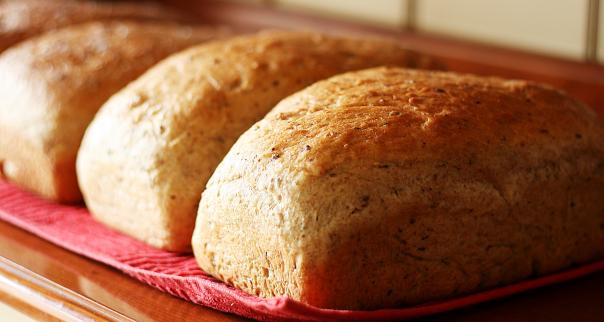
Bread is returning to the spotlight as both a practical staple and a valuable opportunity for sustainability. While dietary trends and health perceptions have reshaped views on bread, people are now better understanding its nutritional role and versatility.
Simultaneously, reducing food waste has become a central priority systemwide. These factors are driving bread’s comeback and place in modern diets. This gives public sector caterers an opportunity to rethink their sourcing, serving and valuing of bread in everyday operations.
According to a 2025 FAOSTAT study, wheat provides around 20% of global calorie intake, and production has risen to nearly 800m tonnes annually. Health concerns continue to shape bread consumption, including views on refined foods, chronic disease risks and gluten sensitivity, even though diagnosed conditions affect a smaller group.
Despite this, bread remains an important and culturally rooted staple. Interest in how it’s produced — from organic farming to modern processing — also reflects a growing focus on quality and sustainability.
Understanding wheat processing helps explain its nutritional value. Milling removes the bran and germ, where most fibre, vitamins and minerals are found. That’s why wholemeal and wholegrain flours are more nutrient-rich than refined white flour.
Definitions of wholegrains are becoming clearer globally, with UK wholemeal bread required to use the entire grain. Today’s bread market offers a wide range of options, including blends and fortified varieties, giving consumers flexibility in taste and nutrition.
Délifrance UK recently launched its Breaking Bread report, forecasting that the market will expand from £7.8bn to £9bn this year. This reflects a 15% increase and signals renewed enthusiasm for bread.
Research among UK consumers shows that bread remains a daily staple for many, one-third eat it every day, with high consumption across breakfast, lunch, dinner and snacking occasions. As food trend expert Alexandria Harris says: “Sustainability is a fundamental expectation rather than a niche concern.”
According to guidance from the UK Department for Education, starchy foods are essential for providing energy and essential nutrients, such as B vitamins. Fortified flour also contributes important amounts of iron and calcium. Wholegrain options like bread and pasta offer valuable fibre, supporting a healthy digestive system. Including these items in meals helps children feel full, which can reduce the likelihood of choosing foods high in fat, sugar or salt.
Schools can support balanced diets by offering at least one portion of starchy food every day and providing a variety of options across the week. Offering three or more different varieties weekly, including at least one wholegrain choice, encourages better nutrition. Serving bread without added fat or oil every day ensures a simple, accessible staple is always available.
According to the study ‘Redistribution of Surplus Bread Particles into the Food Supply Chain’, around 30%-40% of food is wasted, including large volumes of bread. This makes surplus bread an important opportunity for more sustainable resource use. It’s particularly well-suited to redistribution and re-use because it is often produced in large, consistent batches and can be separated from other waste streams.
A 2025 article from the Multidisciplinary Digital Publishing Institute (MDPI) confirms that reducing bread waste is a key sustainability priority. This aligns with global targets created to cut food loss and improve resource efficiency.
Redistributing surplus bread, particularly through donation, offers clear environmental benefits compared to disposal methods. This helps reduce greenhouse gas emissions while preserving nutritional value. These food and beverage sustainability trends are reshaping supply chains, product development and operational practices.
Beyond redistribution, surplus bread presents strong potential as an upcycled ingredient, retaining valuable carbohydrates and proteins that can be repurposed in food production. It can serve as a functional input in processes such as fermentation, supporting the production of products like beer, organic acids and yeast.
Using bread as a fermentation substrate leverages its starch content, which can be efficiently converted into fermentable sugars. Integrating surplus bread into new food applications enables producers to reduce waste and recover valuable nutrients. It supports the transition toward a more circular and sustainable food system.
According to the study ‘Bread Waste Valorization: A Review of Sustainability Aspects and Challenges’, rising global food demand, combined with avoidable waste, is driving a stronger focus on sustainability and resource efficiency across the food system. Feeding a projected 9.6bn people by 2050 requires agriculture to balance increased production with environmental and economic resilience.
Each year, around 1.3bn tonnes of food is wasted globally, creating opportunities to recover value, reduce emissions and improve food security. In places like the UK and Europe, bread is a fundamental part of the daily diet. This makes its status as a major contributor to food waste a critical and complex challenge.
Across the supply chain, from production to households, there are clear opportunities to reduce bread waste through better forecasting, improved storage and increased consumer awareness. Surplus bread has strong potential as a sustainable resource, especially given its high starch content and suitability for fermentation processes. The industry can use it to produce valuable outputs such as bio-energy and biochemicals, supporting the shift toward more circular and low-carbon food systems.
While prevention remains the most effective strategy, innovative approaches to reuse and valorisation - such as donation, animal feed and ingredient recovery - deliver meaningful environmental benefits. Targeting key supply chain stages with these solutions reduces the industry’s environmental footprint and unlocks new economic opportunities.
By prioritising quality, variety and wholegrain options, caterers can support improved nutrition while meeting evolving consumer expectations.
Reducing waste through redistribution and innovative reuse strengthen environmental outcomes and resource efficiency. Recognising surplus bread as a valuable ingredient rather than a by-product opens new pathways for creativity and cost-effectiveness.
These approaches contribute to a more circular and resilient food system. Ultimately, bread’s role extends beyond the plate, becoming an integral part of delivering both nutritional and sustainability goals for the public sector.