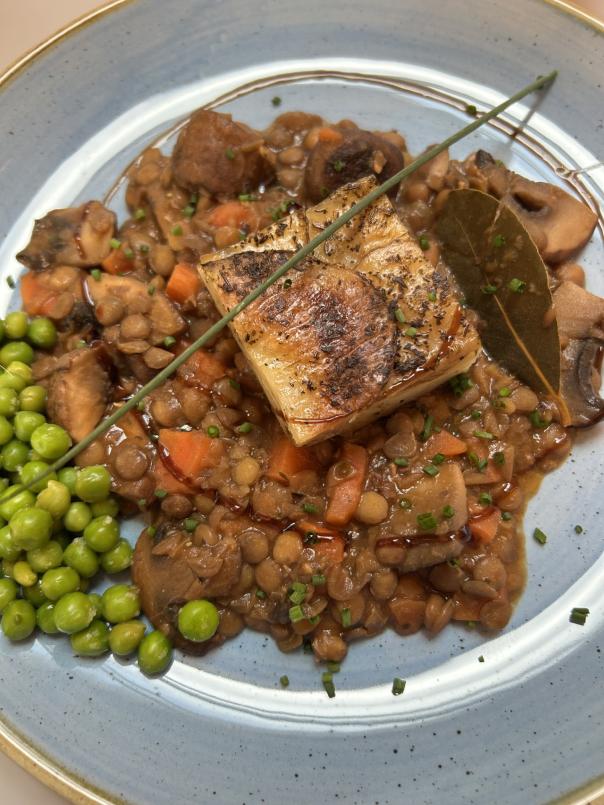
The event aimed to bring together stakeholders within the NHS to ‘support and inspire’ further progress towards menus which are ‘balanced and include plant-rich dishes’. The coalition’s preferred option is that 100% plant-based meals are at the top of menu for both staff and patients.
The day-long event drew senior leaders of catering companies, plus NHS catering leads, chefs, procurement professionals and other key stakeholders, alongside senior dietitians, nursing staff and clinicians. Representatives of leading catering suppliers were also part of the discussion.
Together they shared insights, highlighted successes and discussed the next steps to take in advancing nutritious, sustainable and appealing plant-rich meals across the NHS. The meeting heard there was an intention to accelerate progress on low-carbon, plant-rich menus across NHS healthcare settings.
The occasion marked the ‘formal starting point for developing a measurable, practical roadmap towards a plant-rich food culture within NHS catering in England’. The aim was to create a system that was inclusive, patient-centred, clinically-robust, and operationally deliverable.
The group was told that the meeting was the first initiative of its kind in the UK, and was positioning NHS England as a ‘global leader in sustainable, equitable healthcare food systems’.
The Plants First Healthcare Coalition would ‘support, upskill and empower healthcare settings to serve inclusive, sustainable and delicious plant-forward menus’.
The five founding coalition members are Greener by Default, MyNutriWeb, ProVeg UK, Plant-Based Health Professionals UK, and Real Zero. Collectively, they claim to have a wide breadth of capability and delivery experience in hospitals, schools and institutions across the UK and internationally.
Among the speakers at the event was Phil Shelley, senior operational and policy manager, national lead for food at NHS England; Kevin Morgan, professor of governance and development at the University of Cardiff; Larry Rosenthal, catering manager at Royal Free Hospital; Saachi Avis, head of dietetics – healthcare at Compass Group UK & Ireland and chair of the Food Services Specialist Group within the British Dietetic Association (BDA); as well as Rebecca Tobi, registered nutritionist at the Food Foundation to name just a few.
Also in attendance were exemplar chefs, including 2025 NHS Chef of the Year winner Nedko Rusev, chef manager at Guys & St Thomas NHS Foundation Trust, who won the Best Plant-Based Recipe at the competition. He was joined by Raouf Mansour, head of catering and housekeeping at Ashford and St Peter’s Hospitals Foundation Trust.
The first session of the day set the scene, with participants sharing expertise and agreeing the next steps together. The format was a mix of group discussions, panel interviews and mini-presentations.
Opening the event, Phil Shelley stated: “Today is a line in the sand, a really important meeting.” It would unite key stakeholders to work together to develop a plant-rich food culture across the 207 hospital trusts and over 900 hospitals.
Professor Morgan was also optimistic, saying ‘together we will make plant-rich food the norm not the exception’.
On a purely practical level, there are a number of common blockers to plant-rich menus, the meeting was told. These included customer preference and familiarity with animal-based dishes, the high fat levels due to the perceived high quantities of cheese and dairy needed to build protein, as well as concerns about meeting the nutritional requirements of elderly or vulnerable people.
Other concerns focused on the limited training of many catering staff, equipment constraints, and a lack of variety in plant-based meals.
Meat reduction, tasty titles, and prime placement were cited as the most effective methods of reducing the carbon footprint of food. Participants were told that when the menu shifts from two-thirds meat-based dishes to two-thirds vegetarian, the selection of vegetarian meals increased by more than 50%.
The audience also heard about a study by the World Resources Institute which found that labelling dishes with enticing names that stimulated the senses and focused on ingredients rather than using the word ‘vegan’ increased sales by 76%.
A common themes throughout the presentations was the importance of what is called ‘choice architecture’, in other words ‘nudging’ but not ‘forcing’ people towards socially desirable behaviour.
Research had shown food choices to be particularly responsive to nudges, with an effect up to 2.5 times greater than in other areas of behavioural change.
According to research by PlantFutures, 70% of people are looking to either eat more plants or reduce their meat intake, and over half of the population (51%) say they intend to change how they eat. To illustrate the point, PlantFutures shared a case study where it partnered with the Ministry of Defence to train chefs to make easy plant-based meals.
A presentation, titled ‘Getting Plant-Rich Right’, said the winning formula for plant-based meals to be generally accepted was that they needed to be ‘delicious, comforting and satiating, high in protein, seasonally appropriate, familiar, culturally inclusive, nail the specialist ingredients, attractive, and made with love and care’.
Appropriately lunch was prepared by chefs Jordan Bourzig and Flo Francis who served plant-based meals. It featured main courses of Lancashire Hot Pot and Sri Lankan Curry, with Apple & Blackberry Crumble and Black Bean Chocolate Brownie for dessert.
The meals were served on blue plates which have been shown to reduce food waste after trials at two rehab wards within Royal South Hants Hospital in Southampton.
At the conclusion, the participants were told the coalition had to ‘unite all levers of influence across policy, procurement, clinical leadership and supply’. A follow-on meeting later in the year will aim to develop the key targets and commitments for action.