Visiting a hospital can be stressful for anyone, but for patients with gluten sensitivity, milk intolerance or nut allergies, mealtimes can be a source of real worry. They may fear that options will be limited or worse, that what they consume could trigger an adverse reaction.
For the 2.9m people across the UK following a gluten-free diet, severity of reaction from gluten can vary, from uncomfortable bloating and fatigue to serious anaemia and subfertility.
Beyond gluten, between 1% and 10% of adults and children in the UK have a food hypersensitivity, so sufficient, safe, and reliable options that eliminate gluten, nuts and milk are crucial for affording peace-of-mind, as for patients with food intolerance.
For them, consuming even a small amount of harmful allergens can impede recovery and affect overall well-being.
In April 2015, Hospital Food Standards made it a legal responsibility for hospitals to serve gluten-free foods. Moreover, the Nutrition and Hydration Digest - developed in collaboration by the British Dietetic Association and Coeliac UK - recommends that all hospitals maintain written policies to provide gluten free snacks and meals, offer inclusive and accessible menus, staff allergen training, and ensure food is prepared in a controlled environment that limits any risk of cross contamination.
Hospital caterers are also recommended to partner with food suppliers who can guarantee absolute purity, minimising risk to patients.
This is particularly important for oat-based products, which offer excellent nutrition but must be carefully sourced to avoid the risk of cross-contamination.
Oat-powered benefits
Oats can offer a great source of nutrition. Rich in fibre, low in saturated fat, and packed with beta-glucans that actively support heart health, oats are among the healthiest grains on earth.
Though naturally gluten free, oats are only 100% safe to consume if there has been no risk of cross-contamination. That’s why it’s essential to source oats from manufacturers who prioritise rigorous safety standards and provide clear, transparent labelling.
This ensures patients can enjoy all the health benefits of oats without compromising their safety or well-being.
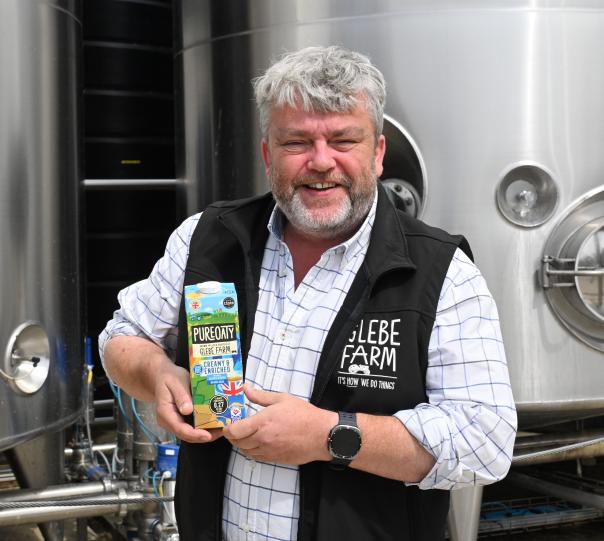
Glebe Farm Foods takes purity seriously as founder and managing director, Phillip Rayner explains: “Our PureOaty range of clean label oat-based food and drink products is totally allergen-free (no gluten, no nuts, no dairy), and our oat drink is also the only one on the market to carry the Coeliac UK cross-grain symbol, providing reassurance to patients and caregivers alike.
“By implementing stringent quality control measures throughout production, including hand sifting samples twice to check for foreign grains, our products contain an almost undetectable level of gluten, less than 5ppm, which is four times purer than the industry gluten free standard of 20ppm.
“Thanks to this level of care, we’ve never had a single customer complaint of adverse reaction.
“Our processes are proudly, totally allergen free, so from warming oat lattes to crunchy bowls of granola, patients with allergies can be assured that PureOaty is safe to consume.”
By selecting suppliers that are pure and allergen-safe, hospital foodservice providers can bring an array of flavour forward oat-based dishes onto wards with absolute peace of mind.
British made goodness
Patient health and recovery is also influenced by the quality and safety of the food they consume. For hospital caterers, this makes sourcing from trusted suppliers even more critical.
Food that is carefully produced, rigorously tested, and traceable helps minimise risks, particularly for patients with dietary sensitivities such as gluten intolerance. And the best place to find this level of assurance is right here in Britain.
A recent survey found that 90% of Britons wanted to see more food produced in the UK, with concerns over the safety and standards of imported food. With traceability highlighted as a key driver of trust in British produce.
For hospital caterers, traceability is essential. Knowing exactly where ingredients come from allows them to confidently serve meals that meet safety standards, while also being able to respond quickly if a problem arises.
Using traceable, local supply chains mean that in the event of a reaction, caterers can quickly investigate, resolve the issue and maintain confidence in hospital food service settings.
Serving seasonal produce also ensures patients benefit from its peak freshness, flavour, and nutritional value. Seasonal British crops naturally provide the nutrients and trace elements the body needs at specific times of year, supporting overall health and recovery.
Fresh produce isn’t just nutritious, it’s safer too. Shorter supply chains reduce the time between farm and kitchen, lowering the risk of spoilage and contamination.
Environmental impact
Choosing British suppliers also delivers environmental and economic benefits. A hyper-local sourcing approach significantly cuts down on transport emissions and food miles, whilst supporting the rural economy and sustaining farming communities.
This enables hospital caterers to reduce their own environmental footprint and meet sustainability and carbon reduction targets, all while delivering traceable and high-quality meals.
Partnerships such as British Food Fortnight play a vital role in raising awareness of the benefits of local sourcing. By championing British produce, the initiative encourages organisations, including hospital caterers, to make choices that not only support local farmers but also prioritise sustainability, traceability, and British food security.